

Valokuva: Sharrie Shaw

Hotellit kohteessa Banjarsari, Surakarta
 Muuta mieltäsiVaraa ilmaisen peruutusoikeuden tarjoavia hotelleja.
 Ole valikoivaVoit hakea melkein miljoonaa majoituspaikkaa ympäri maailman.
Tarkista näiden päivien hinnat
Tänä iltana
Huomenna
Tänä viikonloppuna
Ensi viikonloppuna
Kohteen Banjarsari parhaat hotellit
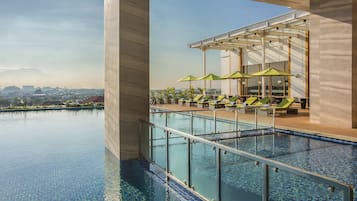


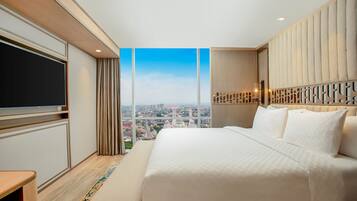
1. Swiss-Belhotel Solo
Swiss-Belhotel SoloBanjarsari
9.2 kautta 10, Upea, (43 arvostelua)
”The hotel was very nice and the staff was very courteous and helpful. We truly enjoyed our stay and look forward to returning in the future.”

STAN
Hinta on 44 €
sisältää verot ja maksut
28.9.–29.9.

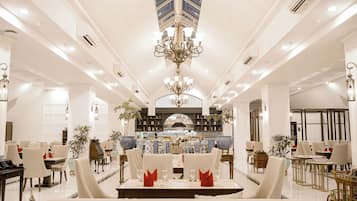
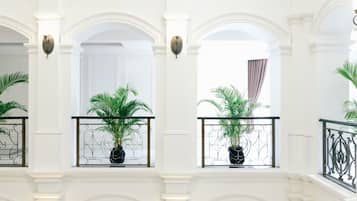

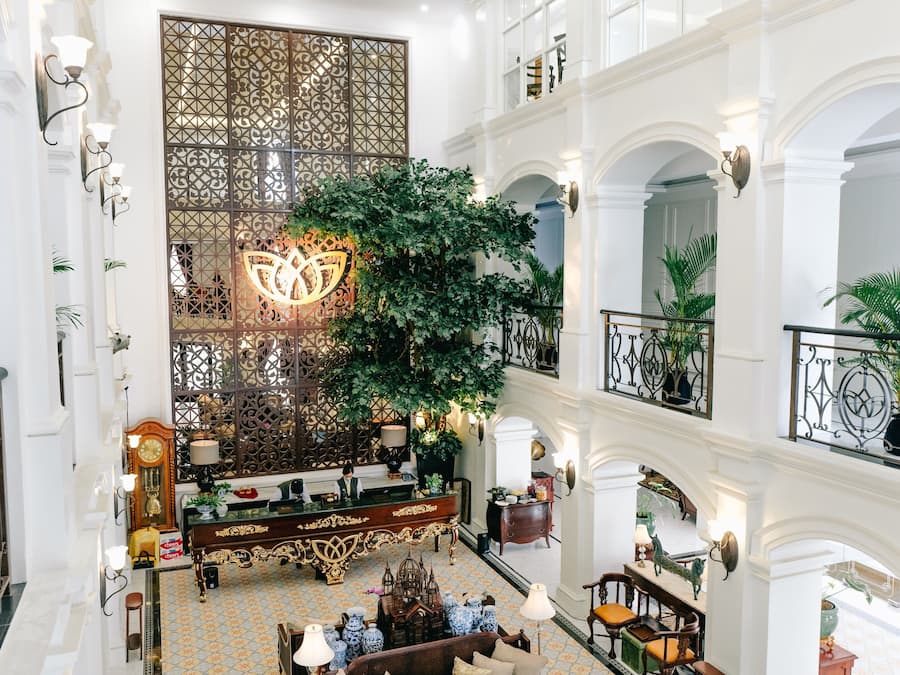
2. Mahalaya The Legacy Solo
Mahalaya The Legacy SoloBanjarsari
9.0 kautta 10, Upea, (7 arvostelua)
”ロビーの吹き抜けが気持ちいいコロニアル風ビルのホテル。外出から戻り、レモングラスの香りが漂うロビーに入るとほっとしました。
滞在中、私の電子機器の不具合が原因で部屋が停電してしまったのですが(恐らくヒューズが飛んだ)、夜遅い時間にもかかわらずすぐにエンジニアが対応してくれ助かりました。
プールは小さく、プールサイドのスペースもあまりないので泳ぐのが好きな人には少し物足りないかもしれません。
プールサイドのカフェで滞在中1回、アフタヌーンティーのサービスがあり、インドネシアのお菓子が中心の素敵なセットで楽しくいただきました。また、ここのカフェはビールも提供しています。
メインダイニングは最上階にありますが、朝食会場も兼ねていて、カジュアルな雰囲気。夜はあまり利用者がないように見受けられました。
すぐ近くにショッピングモールがあり、ちょっとした買い物や上階のフードコートでの食事などに便利です。”

MIZUHO
Hinta on 32 €
sisältää verot ja maksut
4.10.–5.10.


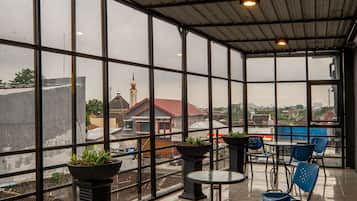
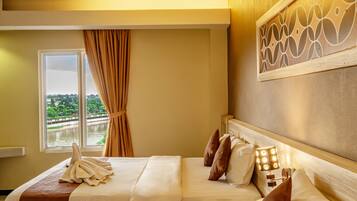

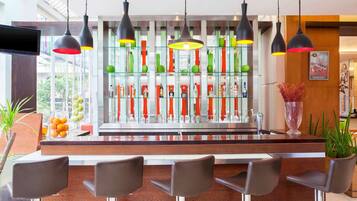
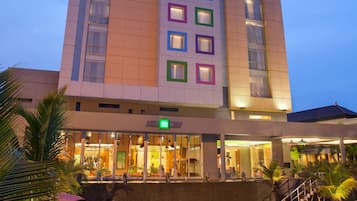
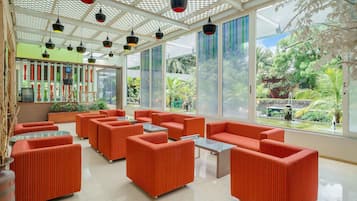
4. ibis Styles Solo
ibis Styles SoloBanjarsari
8.2 kautta 10, Erittäin hyvä, (109 arvostelua)
”Ibis upgraded me to Surakarta heritage hotel, about one block from Ibis, much bigger room and clean.”
Heni
Hinta on 22 €
sisältää verot ja maksut
22.9.–23.9.
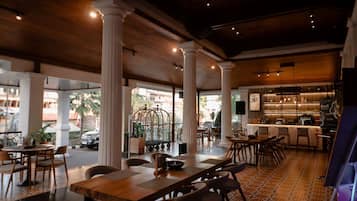
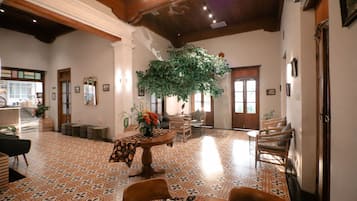

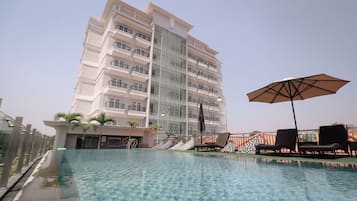
5. FIM by Zigna
FIM by ZignaBanjarsari
9.4 kautta 10, Poikkeuksellisen hyvä, (6 arvostelua)
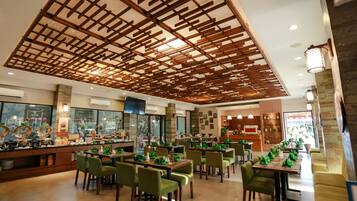
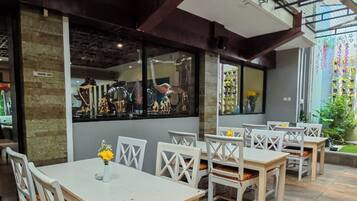
”The hotel is an excellent place to stay. The hotel itself is not special or fancy, but it is well-run, clean, and located in the center of Solo. The breakfast buffet is excellent, the restaurant is good, and the hotel also has a nice cafe with an outside seating area. They featured life music at the cafe on weekend evenings. We saw no other foreign guests, which we saw as a plus. Many staff members speak good English.”
Erzo
Hinta on 27 €
sisältää verot ja maksut
22.9.–23.9.
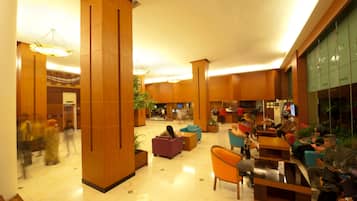

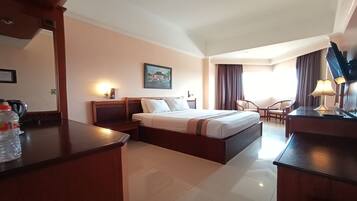

6. Hotel Asia
Hotel AsiaBanjarsari
6.0 kautta 10, (12 arvostelua)
”Properti kurang terawat”

Giant
Hinta on 23 €
sisältää verot ja maksut
20.10.–21.10.
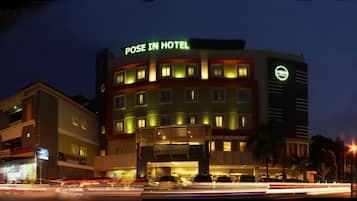
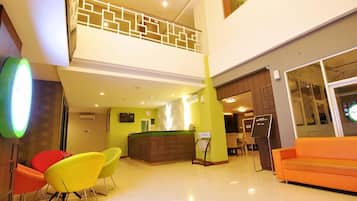
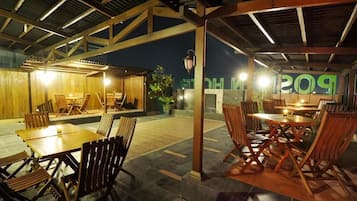

7. Pose in Solo by Wstay
Pose in Solo by WstayBanjarsari
6.8 kautta 10, (17 arvostelua)
”Lekkage plafond en dat is al aangemeld maar was nog geen reactie van de personeel.”

Pasri
Hinta on 25 €
sisältää verot ja maksut
4.10.–5.10.
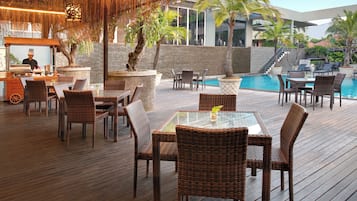
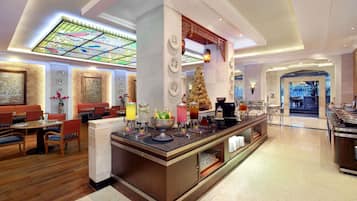

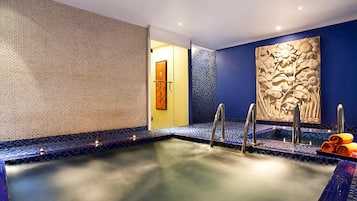
8. Novotel Solo
Novotel SoloBanjarsari
8.2 kautta 10, Erittäin hyvä, (123 arvostelua)
Hinta on 33 €
sisältää verot ja maksut
5.10.–6.10.






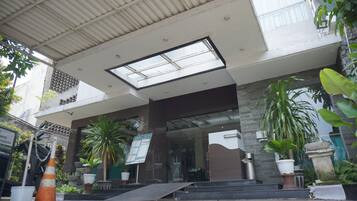

12. Loji Hotel Solo by Wstay
Loji Hotel Solo by WstayBanjarsari
7.2 kautta 10, Hyvä, (17 arvostelua)
”The room and bed were big and comfortable, but no fridge and no safebox. Breakfast was really good, though. The hotel is very close to the Balapan train station, which is nice. It’s a decent budget place, but what makes me unable to recommend is because how dangerous the roads are around the hotel. I stay at places all over SE Asia, so I’m totally used to the motorbike madness. This place, though . . . It takes the cake.”
James
Hinta on 15 €
sisältää verot ja maksut
22.9.–23.9.
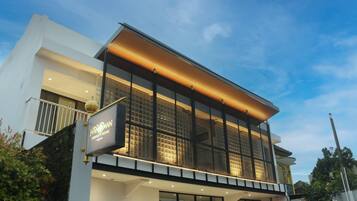
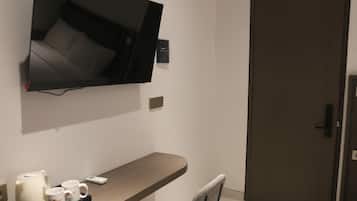
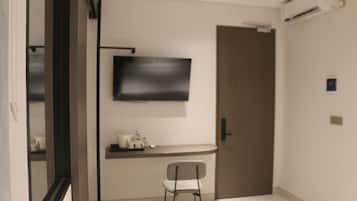
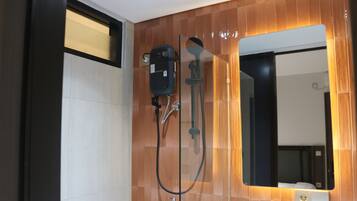
13. The Hanoman Serenity House by Sajiwa
The Hanoman Serenity House by SajiwaBanjarsari
Hinta on 18 €
sisältää verot ja maksut
22.9.–23.9.
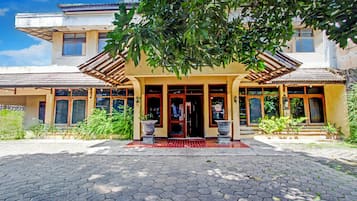
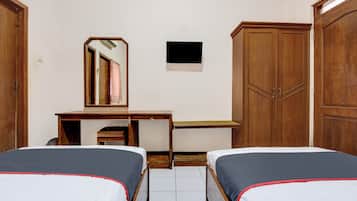


14. Hotel O Solo near Stasiun Solo Balapan formerly Hotel Trihadhi
Hotel O Solo near Stasiun Solo Balapan formerly Hotel TrihadhiBanjarsari
Hinta on 96 €
sisältää verot ja maksut
4.10.–5.10.


15. Rumah Turi Eco Hotel
Rumah Turi Eco HotelBanjarsari
7.8 kautta 10, Hyvä, (15 arvostelua)
”We were disappointed with this hotel, although that may also be coloured by the fact we didn’t like Solo very much. When we first got in the room, it was very musty smelling (which is being generous about its smell). The room was very basic (which is fine) but there was no place at all to hang out outside despite having a big garden space. The garden is all plants and water features, no tables. The location was convenient to the train station but not really to “downtown”. Walking in Solo is not...

Rosann
Hinta on 13 €
sisältää verot ja maksut
18.10.–19.10.
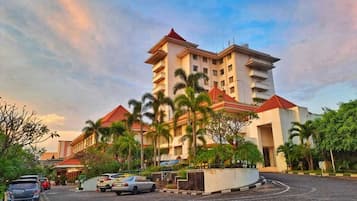
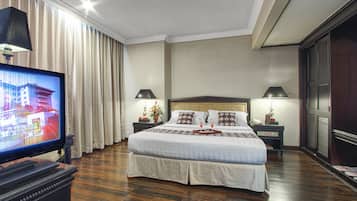


16. Sahid Jaya Hotel Solo
Sahid Jaya Hotel SoloBanjarsari
7.2 kautta 10, Hyvä, (24 arvostelua)
Hinta on 43 €
sisältää verot ja maksut
21.10.–22.10.
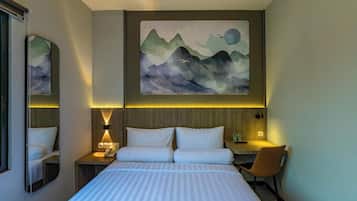


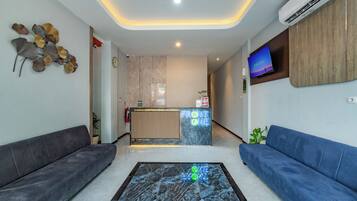
17. Front One Budget Hotel Tirtonadi Solo
Front One Budget Hotel Tirtonadi SoloBanjarsari
4.0 kautta 10, (1 arvostelu)
Hinta on 16 €
sisältää verot ja maksut
24.9.–25.9.
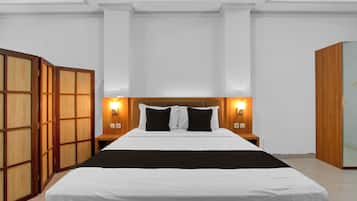
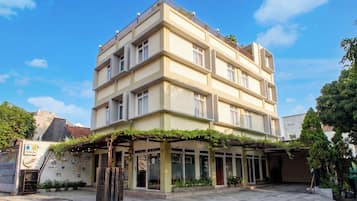


18. Collection O near Stasiun Solo Balapan f
Collection O near Stasiun Solo Balapan fBanjarsari
Hinta on 5 €
sisältää verot ja maksut
22.9.–23.9.

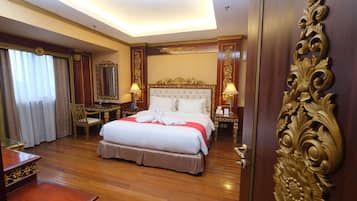
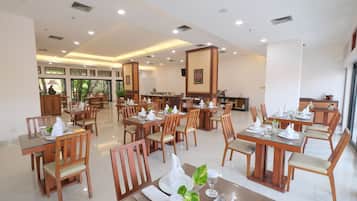
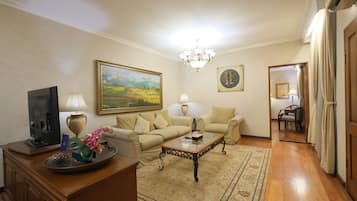
19. GRAND ORCHID HOTEL SOLO
GRAND ORCHID HOTEL SOLOBanjarsari
Hinta on 24 €
sisältää verot ja maksut
4.10.–5.10.


20. Hotel Tirtonadi Permai
Hotel Tirtonadi PermaiBanjarsari
Hinta on 5 €
sisältää verot ja maksut
24.9.–25.9.
Alin löytämämme hinta viimeisten 24 tunnin aikana 1 yölle ja 2 aikuiselle. Hinnat ja saatavuus voivat muuttua. Muita ehtoja saatetaan soveltaa.
Vertaile suosittuja hotelleja kohteessa Banjarsari
Majoituspaikka | Majoituspaikan taso | Asiakasarvosana | Aamiainen sisältyy hintaan | Uima-allas | Kylpylä | Sopii lemmikeille | Wi-Fi sisältyy hintaan | |
|---|---|---|---|---|---|---|---|---|
 Swiss-Belhotel Solo | 9.2 Upea 43 arvostelua | Näytä | ||||||
 Mahalaya The Legacy Solo | 9.0 Upea 7 arvostelua | Näytä | ||||||
 FIM by Zigna | 9.4 Poikkeuksellisen hyvä 6 arvostelua | Näytä | ||||||
 Novotel Solo | 8.2 Erittäin hyvä 123 arvostelua | Näytä | ||||||
 Moxy Solo | 8.6 Loistava 9 arvostelua | Näytä |
Banjarsari – Missä yöpyä?
Löydä kohteen Banjarsari parhaat alueet suosikkiaktiviteettiesi kannalta.
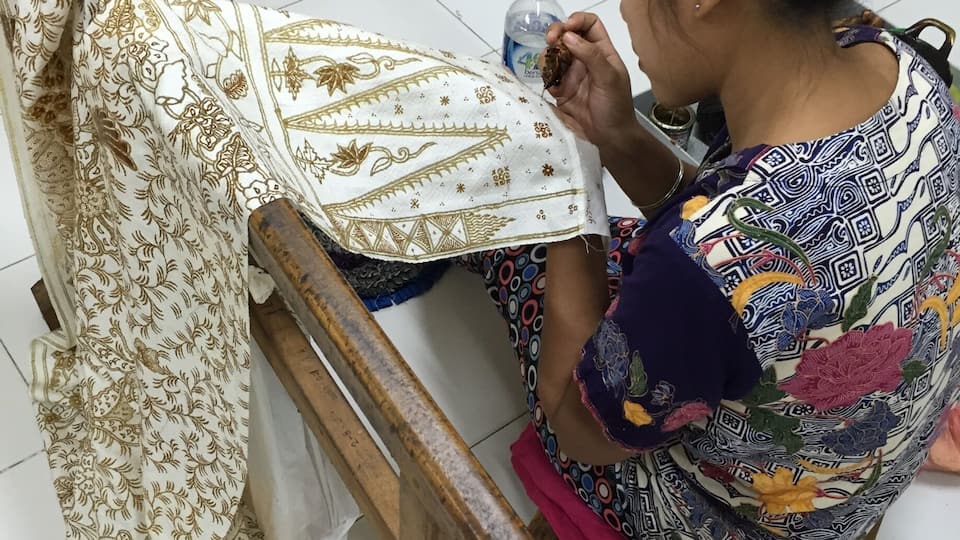
Valokuva: Sharrie Shaw
Tekijänoikeudeton valokuva: Sharrie Shaw
Solon keskusta
Solon keskusta tunnetaan museoista ja eläintarhasta. Solo Paragon Lifestyle Mall tai Keprabonin puisto ovat myös vierailun arvoisia.
Laweyan
Vaikka Laweyan ei tarjoa mitään kuuluisia nähtävyyksiä, Solo Paragon Lifestyle Mall ja Solo Squaren ostoskeskus ovat kaksi lähiseudulla olevaa kiinnostavaa kohdetta.