

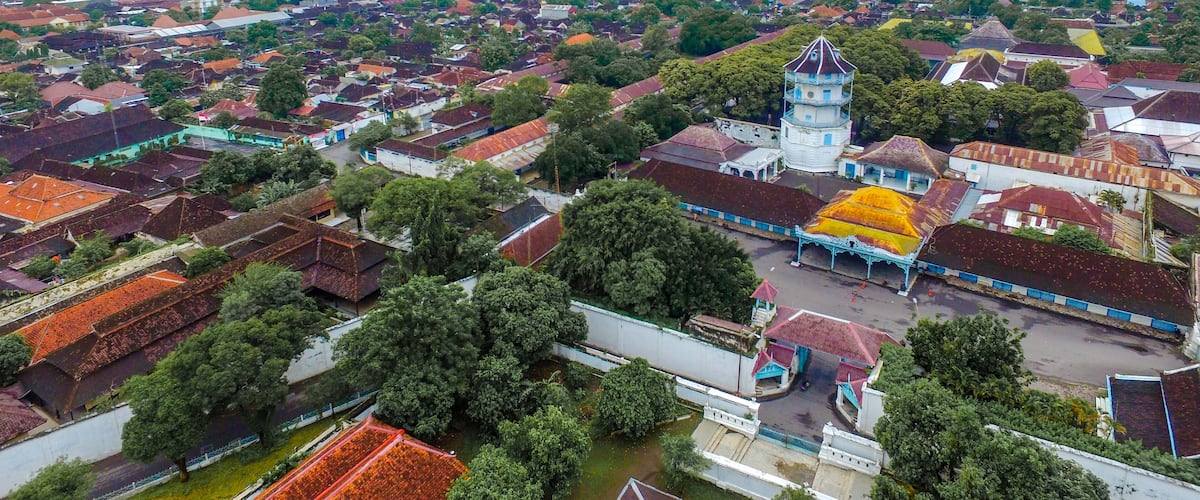
Perhehotellit - Surakarta, Keski-Jaava
 Muuta mieltäsiVaraa ilmaisen peruutusoikeuden tarjoavia hotelleja.
 Ole valikoivaVoit hakea melkein miljoonaa majoituspaikkaa ympäri maailman.
Surakarta: Perhehotellit − tarkista saatavuus
Tänä iltana
Huomenna
Ensi viikonloppuna
Kahden viikon kuluttua
Kohteen Surakarta parhaat perheystävällisiä hotelleja hotellit



9.0 kautta 10, Upea, (9 arvostelua)
”Stunning gardens surround the rooms. A little slice of paradise just outside the city.”

Thomas
Hinta on 29 €
sisältää verot ja maksut
1.7.–2.7.


8.6 kautta 10, Loistava, (81 arvostelua)
”We arrived late and ordered room service dinner. Food was great, staff super helpful and friendly. Breakfast buffet also excellent. Enjoyed our short stay and will stay here again next trip to Solo.”
Jordan
Hinta on 37 €
sisältää verot ja maksut
29.6.–30.6.


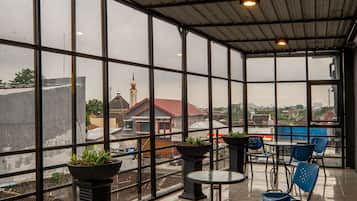
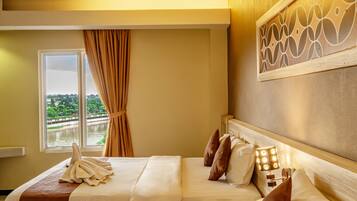
Hinta on 15 €
sisältää verot ja maksut
15.6.–16.6.




Hinta on 6 €
sisältää verot ja maksut
19.6.–20.6.
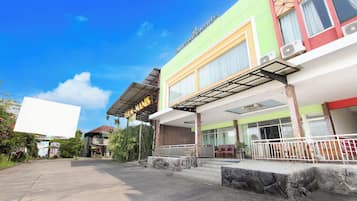
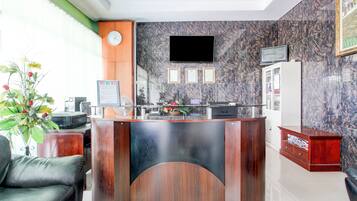

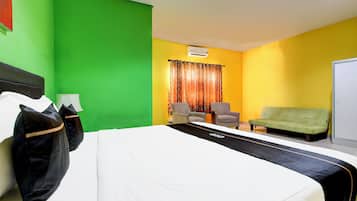
Hotel O Jalan Slamet Riyadi Near Bandara Adi Soemarmo Formerly Amanah Sejahtera
Hotel O Jalan Slamet Riyadi Near Bandara Adi Soemarmo Formerly Amanah SejahteraNgemplak
Hinta on 6 €
sisältää verot ja maksut
16.6.–17.6.


9.0 kautta 10, Upea, (11 arvostelua)
”Staff were courteous, breakfast options are plenty”
Alamsyah
Hinta on 42 €
sisältää verot ja maksut
1.7.–2.7.


The Alana Hotel and Convention Center - Solo by Aston
The Alana Hotel and Convention Center - Solo by AstonColomadu
8.2 kautta 10, Erittäin hyvä, (62 arvostelua)
Hinta on 55 €
sisältää verot ja maksut
28.6.–29.6.



Hinta on 39 €
sisältää verot ja maksut
17.6.–18.6.


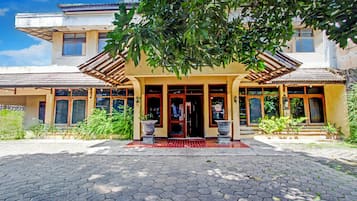

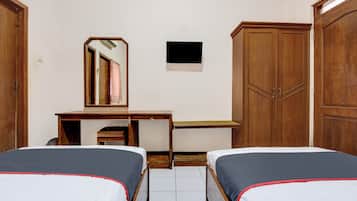

Alin löytämämme hinta viimeisten 24 tunnin aikana 1 yölle ja 2 aikuiselle. Hinnat ja saatavuus voivat muuttua. Muita ehtoja saatetaan soveltaa.
Perheystävälliset hotellit ilmaisella aamiaisella kohteessa Surakarta
9.0 kautta 10, Upea, (9)
Hinta on 29 €
sisältää verot ja maksut
1.7.–2.7.
Perheystävälliset hotellit uima-altaalla kohteessa Surakarta
9.0 kautta 10, Upea, (9)
Hinta on 29 €
sisältää verot ja maksut
1.7.–2.7.
Alin löytämämme hinta viimeisten 24 tunnin aikana 1 yölle ja 2 aikuiselle. Hinnat ja saatavuus voivat muuttua. Muita ehtoja saatetaan soveltaa.