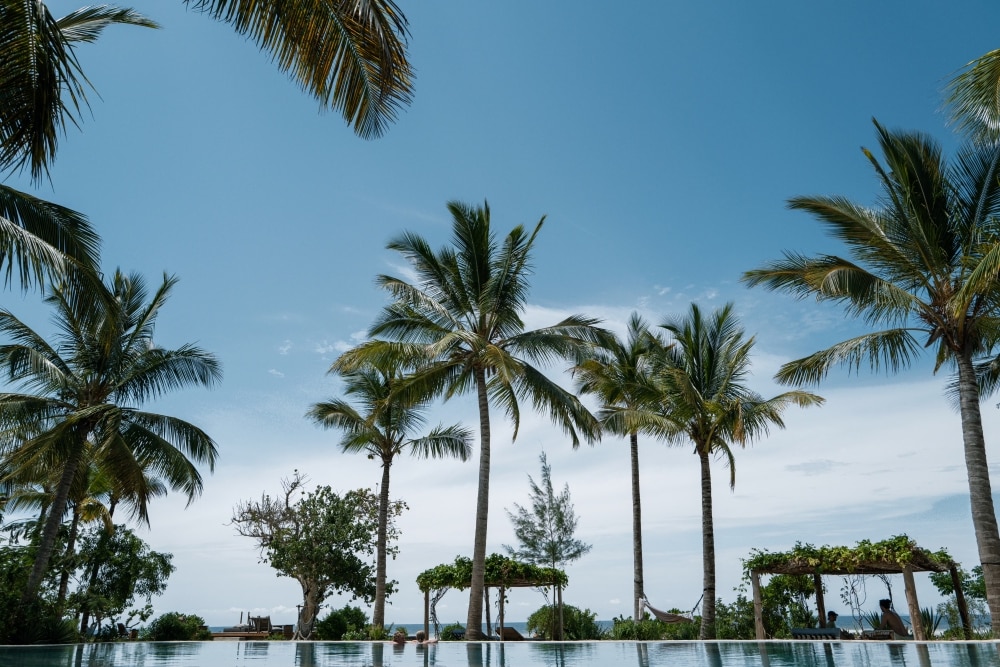


Tegalrejo Hotellit
 Muuta mieltäsiVaraa ilmaisen peruutusoikeuden tarjoavia hotelleja.
 Ole valikoivaVoit hakea melkein miljoonaa majoituspaikkaa ympäri maailman.
Tegalrejo: Kokeile jotain hieman erilaista
Sopii lemmikeille
Huvila
Perheystävällinen
Vesipuisto
Lomakeskus
Huoneisto
Huoneisto
Tarkista näiden päivien hinnat
Tänä iltana
23.9. - 24.9.Huomenna
24.9. - 25.9.Tänä viikonloppuna
25.9. - 27.9.Ensi viikonloppuna
2.10. - 4.10.Kohteen Tegalrejo parhaat hotellit




1. Hotel Tentrem Yogyakarta
Hotel Tentrem YogyakartaYogyakarta

Nimetön matkailija
116 €
sisältää verot ja maksut
27.9.–28.9.


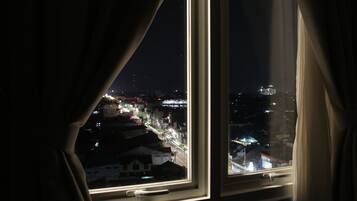

2. Uniq Hotel Yogyakarta
Uniq Hotel YogyakartaYogyakartan keskusta

Cem
17 €
sisältää verot ja maksut
23.9.–24.9.
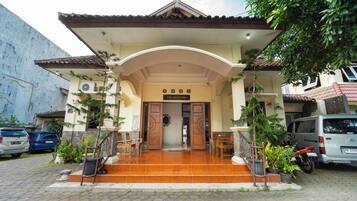

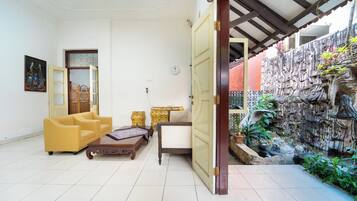
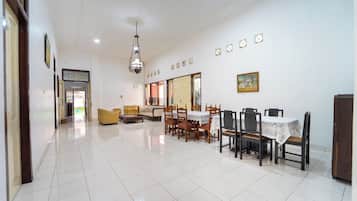


4. Allure Villa Yogyakarta
Allure Villa YogyakartaYogyakarta
58 €
sisältää verot ja maksut
23.9.–24.9.


5. The Utara Hotel Tugu by Eresha Hospitality
The Utara Hotel Tugu by Eresha HospitalityYogyakartan keskusta
20 €
sisältää verot ja maksut
23.9.–24.9.
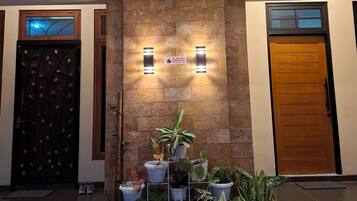




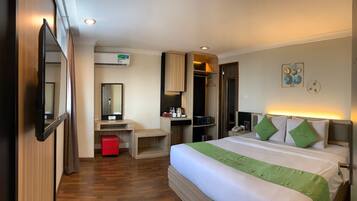




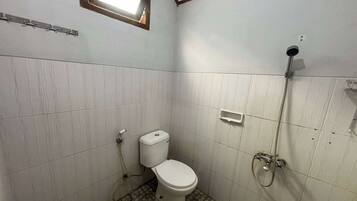


8. OYO 95050 Penginapan Sekarsari Syariah
OYO 95050 Penginapan Sekarsari SyariahYogyakarta
OYO 95050 Penginapan Sekarsari Syariah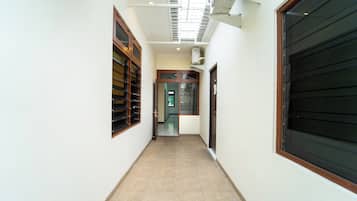


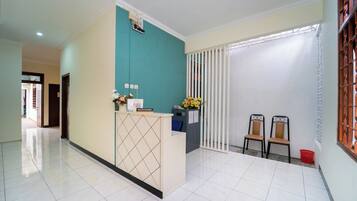



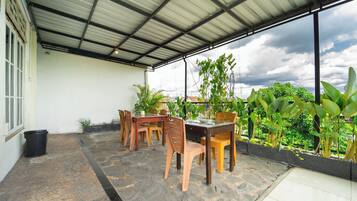
10. Peta Lodge Backpacker Hostel
Peta Lodge Backpacker HostelYogyakartan keskusta
Peta Lodge Backpacker Hostel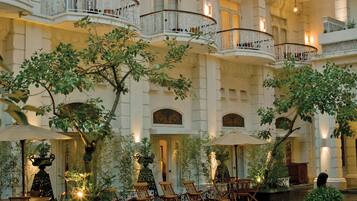



11. The Phoenix Hotel Yogyakarta - Handwritten Collection
The Phoenix Hotel Yogyakarta - Handwritten CollectionYogyakartan keskusta
59 €
sisältää verot ja maksut
3.10.–4.10.




12. Swiss-Belboutique Yogyakarta
Swiss-Belboutique YogyakartaYogyakarta

Alkamal
42 €
sisältää verot ja maksut
9.10.–10.10.

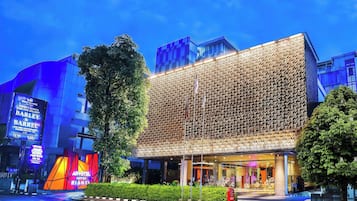


13. ARTOTEL Suites Bianti Yogyakarta
ARTOTEL Suites Bianti YogyakartaYogyakarta
Nimetön matkailija
39 €
sisältää verot ja maksut
27.9.–28.9.




14. eL Hotel Yogyakarta Malioboro
eL Hotel Yogyakarta MalioboroMalioboro

HIROYUKI
41 €
sisältää verot ja maksut
23.9.–24.9.


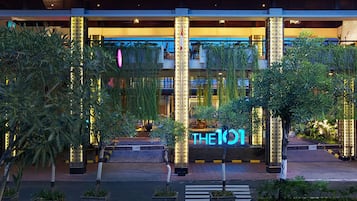

15. THE 1O1 Yogyakarta Tugu
THE 1O1 Yogyakarta TuguYogyakartan keskusta
47 €
sisältää verot ja maksut
27.9.–28.9.



16. Khas Tugu Hotel Yogyakarta
Khas Tugu Hotel YogyakartaYogyakartan keskusta
Arttu
23 €
sisältää verot ja maksut
23.9.–24.9.




17. Grand Hotel De Djokja
Grand Hotel De DjokjaMalioboro
Giza
87 €
sisältää verot ja maksut
11.10.–12.10.




18. Jambuluwuk Malioboro Hotel Yogyakarta
Jambuluwuk Malioboro Hotel YogyakartaYogyakartan keskusta
Anu
43 €
sisältää verot ja maksut
1.10.–2.10.




19. Hyatt Regency Yogyakarta
Hyatt Regency YogyakartaMlati
64 €
sisältää verot ja maksut
5.10.–6.10.
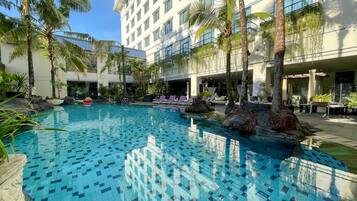



20. Kimaya Sudirman Yogyakarta by Harris
Kimaya Sudirman Yogyakarta by HarrisYogyakarta
28 €
sisältää verot ja maksut
27.9.–28.9.

Kirjaudu sisään ja säästä keskimäärin 15 % tuhansista hotelleista
Kohteen Tegalrejo suositut nähtävyydet
Sasana Wiratama -museo
Voit käydä kiertelemässä näyttelyitä kohteessa Sasana Wiratama -museo, joka on kohteessa Tegalrejo sijaitseva museo ja jolla on takanaan kiehtova menneisyys. Varmistathan, että sinulla on aikaa vierailla tämän kulttuuristaan tunnetun alueen kaupoissa.
Lue lisää kohteesta Tegalrejo
Ota seuraavaksi lomakohteeksesi romanttinen Tegalrejo ja koe sen kylpylät, kulttuuri, baarit sekä monet muut nähtävyydet!
Näytä kaikki hotellit kohteessa Tegalrejo
Valokuva: Sharrie Shaw
Parhaat hotelliarvostelut kohteessa Tegalrejo
Tegalrejo − halvat majoitukset

Cendhani Raras Gallery
Jl. Sidoasih No.44b, Tiyasan, Condongcatur, Kec. Depok, Kabupaten Sleman Depok D.I Yogyakarta
8 €
22.10.–23.10.
sisältää verot ja maksut

The Pod Mangkubumi
no.95 Jl. Margo Utomo Yogyakarta DI Jogjakarta
8 €
27.9.–28.9.
sisältää verot ja maksut

HUBS Hostel Yogyakarta
No. 60 Jalan P. Mangkubumi Yogyakarta Jogja
16 €
23.9.–24.9.
sisältää verot ja maksut
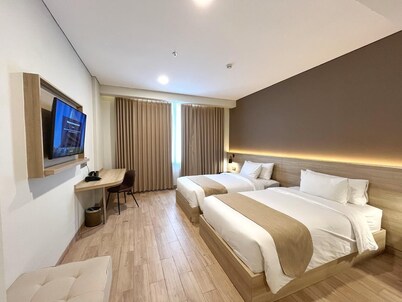
Prime UMY Hotel Convention & Dormitory
Jl. Anggrek Tegalrejo Kasihan Jogja
20 €
23.10.–24.10.
sisältää verot ja maksut

Huma Yogyakarta Hostel
No.27 Jl. Namburan Lor Panembahan Kraton Yogyakarta Jogja
23 €
21.10.–22.10.
sisältää verot ja maksut
10/10 Poikkeuksellinen! (3 arvostelua)