
Tuskegee University: Opastetut kierrokset ja aktiviteetit
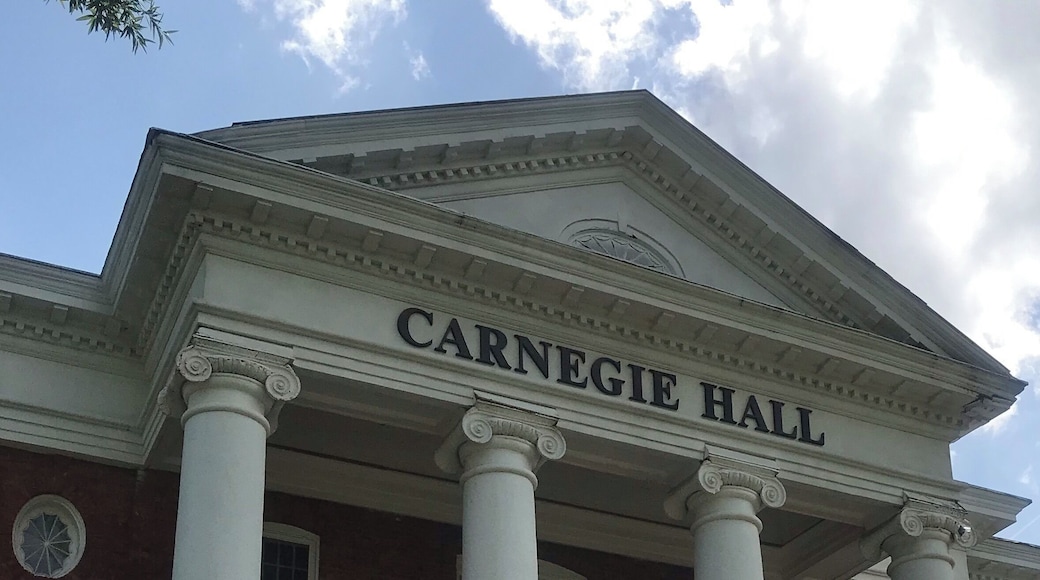
Tuskegee University, one of the largest historically black universities in the United States, is a private university located in Tuskegee, Alabama. It was founded by Lewis Adams, a former slave, and George W. Campbell, a former slave owner.  Adams asked that an educational institution for blacks be established.  After Foster won the election, $2,000 (per year) was allocated from the state general budget for such a school to be located in Macon County.  It was officially founded on July 4th, 1881, with Booker T. Washington, then a 25-year-old teacher at Hampton Institute in Virginia, as its first principal, a position he maintained until his death in 1915. Tuskegee acquired university status in 1985.  Today it offers undergraduate, masters, professional, and doctoral degrees to more than 3,000 students with a strong orientation toward the relationship between education and work force preparation in the sciences, professions and technical areas.  It was the first black college to be designated as a Registered National Historic Landmark (1966), and is the only black college to be designated as a National Historic Site.


Suositut vierailukohteet