Siirry sivun pÀÀosioon
Varaa matka
Varaa matka
Varaa matka
Majoitukset
Majoitukset
Lennot
Lennot
Vuokra-autot
Vuokra-autot
Matkapaketit
Matkapaketit
Aktiviteetit
Aktiviteetit
ĂkkilĂ€hdöt
Tarjoukset
RyhmÀt ja tapahtumat
Avaa sovellus
EUR
Listaa majoituspaikkasi
Ota yhteyttÀ
Matkat
Communication Center icon
Kirjaudu sisÀÀn
JÀsenet sÀÀstÀvÀt vÀhintÀÀn 10 % yli 100 000 hotellista ympÀri maailman kirjauduttuaan sisÀÀn.
Kirjaudu sisÀÀn
Tietoa Expedia Rewards -ohjelmasta
Palaute
Aasia
Chilika Lake
Orissa
Intia
Aasia
Suunnittele matkasi
Chilika Lake â hotellit
Lennot kohteeseen Orissa
Chilika Lake â autonvuokraus
Orissa â lomat
Chilika Lake: Opastetut kierrokset ja aktiviteetit
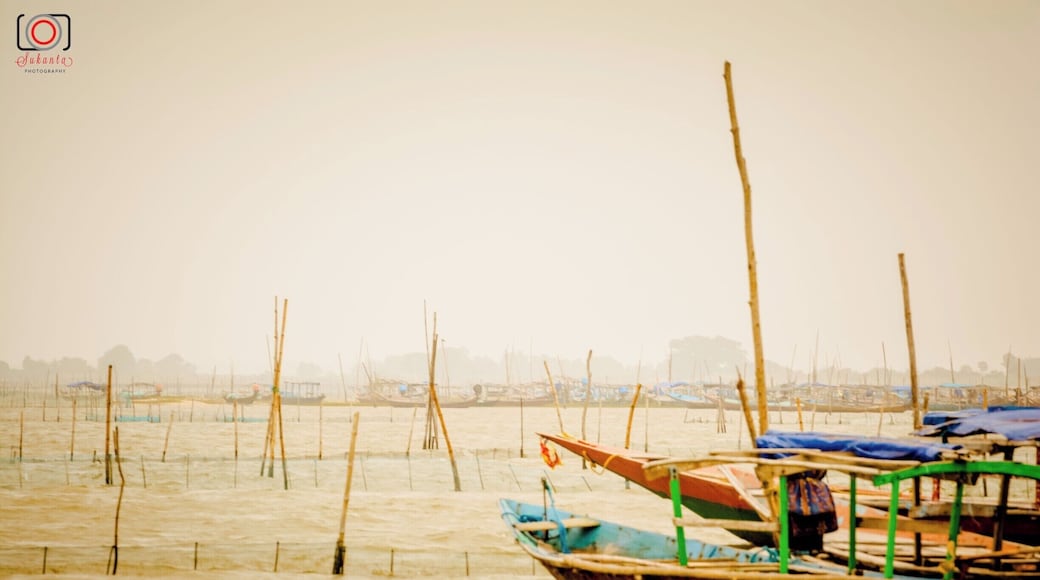
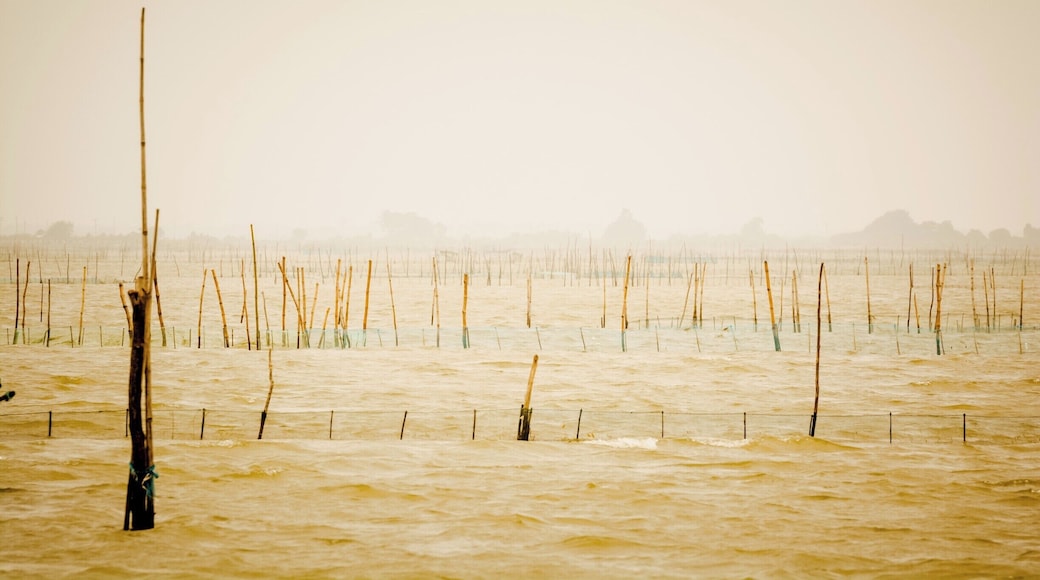
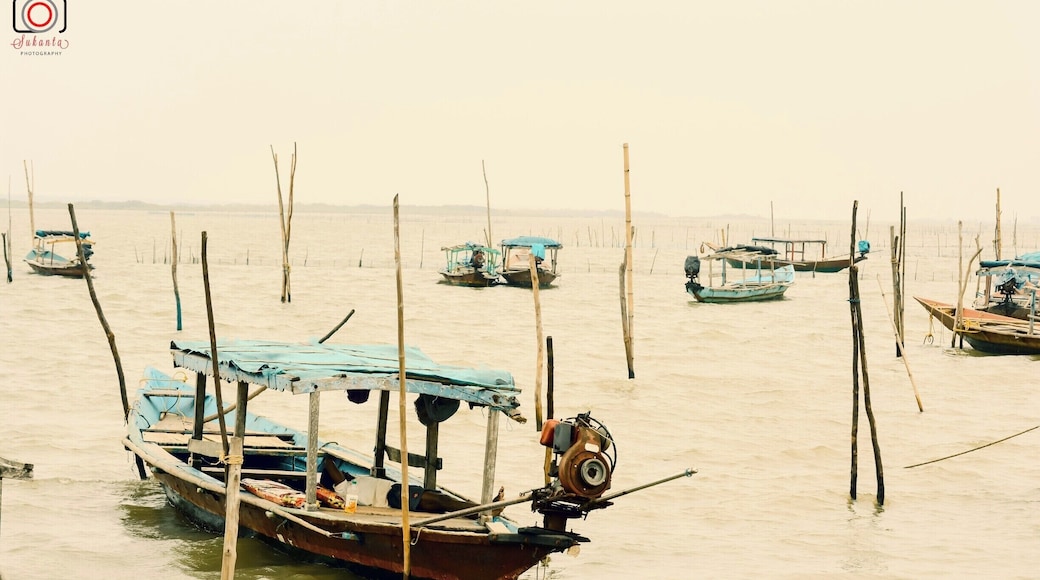
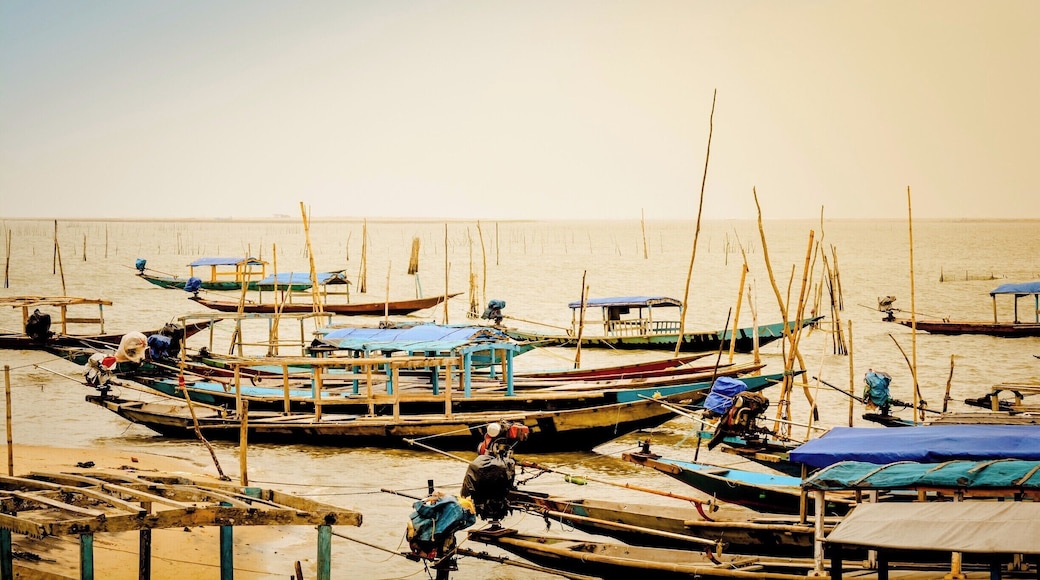
Chilika lake is a brackish water lagoon, spread over the Puri, Khurda and Ganjam districts of Odisha state on the east coast of India, at the mouth of the Daya River, flowing into the Bay of Bengal, covering an area of over 1,100 km2. It is the largest coastal lagoon in India and the second largest lagoon in the world[3][4][dubious â discuss] after The New Caledonian barrier reef in New Caledonia. It is the largest wintering ground for migratory birds on the Indian sub-continent. The lake is home to a number of threatened species of plants and animals. The lake is an ecosystem with large fishery resources. It sustains more than 150,000 fisherâfolk living in 132 villages on the shore and islands. The lagoon hosts over 160 species of birds in the peak migratory season. Birds from as far as the Caspian Sea, Lake Baikal, Aral Sea and other remote parts of Russia, Kirghiz steppes of Mongolia, Central and southeast Asia, Ladakh and Himalayas come here. These birds travel great distances; migratory birds probably follow much longer routes than the straight lines, possibly up to 12,000 km, to reach Chilika Lake. In 1981, Chilika Lake was designated the first Indian wetland of international importance under the Ramsar Convention. According to a survey, 45 percent of the birds are terrestrial in nature, 32 percent are waterfowl, and 23 percent are waders. The lagoon is also home to 14 types of raptors. Around 152 rare and endangered Irrawaddy dolphins have also been reported. Plus, the lagoon supports about 37 species of reptiles and amphibians. The highly productive chilika lagoon eco-system with its rich fishery resources sustains the livelihood for many fisher men who live in and near the Lagoon. The water spread area of the Lagoon ranges between 1165 and 906 km2 during the monsoon and summer respectively. A 32 km long, narrow, outer channel connects the lagoon to the Bay of Bengal, near the village Motto. More recently a new mouth has been opened by CDA which has brought a new lease of life to the lagoon. Microalgae, marine seaweeds, sea grasses, fishes and crabs also flourish in the brackish water of the Chilika Lagoon. Especially the recovery of sea grass beds in recent years is a welcoming trend which may eventually result in re-colorizations of endangered dugongs.
Chilka
Chilika lake is a brackish water lagoon, spread over the Puri, Khurda and Ganjam districts of Odisha state on the east coast of India, at the mouth of the Daya River, flowing into the Bay of Bengal, covering an area of over 1,100 km2. It is the largest coastal lagoon in India and the second largest lagoon in the world[3][4][dubious â discuss] after The New Caledonian barrier reef in New Caledonia. It is the largest wintering ground for migratory birds on the Indian sub-continent. The lake is home to a number of threatened species of plants and animals. The lake is an ecosystem with large fishery resources. It sustains more than 150,000 fisherâfolk living in 132 villages on the shore and islands. The lagoon hosts over 160 species of birds in the peak migratory season. Birds from as far as the Caspian Sea, Lake Baikal, Aral Sea and other remote parts of Russia, Kirghiz steppes of Mongolia, Central and southeast Asia, Ladakh and Himalayas come here. These birds travel great distances; migratory birds probably follow much longer routes than the straight lines, possibly up to 12,000 km, to reach Chilika Lake. In 1981, Chilika Lake was designated the first Indian wetland of international importance under the Ramsar Convention. According to a survey, 45 percent of the birds are terrestrial in nature, 32 percent are waterfowl, and 23 percent are waders. The lagoon is also home to 14 types of raptors. Around 152 rare and endangered Irrawaddy dolphins have also been reported. Plus, the lagoon supports about 37 species of reptiles and amphibians. The highly productive chilika lagoon eco-system with its rich fishery resources sustains the livelihood for many fisher men who live in and near the Lagoon. The water spread area of the Lagoon ranges between 1165 and 906 km2 during the monsoon and summer respectively. A 32 km long, narrow, outer channel connects the lagoon to the Bay of Bengal, near the village Motto. More recently a new mouth has been opened by CDA which has brought a new lease of life to the lagoon. Microalgae, marine seaweeds, sea grasses, fishes and crabs also flourish in the brackish water of the Chilika Lagoon. Especially the recovery of sea grass beds in recent years is a welcoming trend which may eventually result in re-colorizations of endangered dugongs.
10
NÀytÀ kaikki 10 kuvaa
Matkapaketit
Majoitukset
Lennot
Vuokra-autot
Aktiviteetit
Majoitus lisÀtty
Lento lisÀtty
Vuokra-auto
Economy
valittu
Economy
Economy
Premium Economy
Premium Economy
Business-luokka
Business-luokka
1. luokka
1. luokka
LÀhtöpaikka
Vaihda lÀhtöpaikka ja kohde toisin pÀin
Kohde
PÀivÀt
Matkustajat
Huone 1
Aikuisia
VÀhennÀ aikuisten lukumÀÀrÀÀ huoneessa 1