
Tegalrejo matkavinkit
Matkaopas

Koe Tegalrejo

Hotel Tentrem Yogyakarta
Jl. P. Mangkubumi 72A Yogyakarta Yogyakarta
Hinta on 116 € per yö ajalle 27.9. viiva 28.9.
116 €
27.9.–28.9.
sisältää verot ja maksut
Yövy tässä ylellisessä hotellissa kohteessa Yogyakarta. Nauti ilmaisesta aamiaisesta, ilmaisesta Wi-Fi-yhteydestä ja ilmaisesta pysäköinnistä. Lähellä sijaitsevat ...
9,4/10 Poikkeuksellinen! (337 arvostelua)
"Upea, ylellinen hotelli erittäin kohtuuhintaisesti"
Arvosteltu 14.5.2018

Top Malioboro Hotel
Jalan HOS Cokroaminoto No. 145 Yogyakarta
Hinta on 25 € per yö ajalle 27.9. viiva 28.9.
25 €
27.9.–28.9.
sisältää verot ja maksut
Yövy tässä hotellissa kohteessa Yogyakarta. Nauti ilmaisesta Wi-Fi-yhteydestä, ilmaisesta pysäköinnistä ja aamiaisesta (lisämaksusta). Lähellä sijaitsevat Malioboro ...
6,2/10 (17 arvostelua)
not good hotel
"Gave us very bad rooms at the start , toilet was bad , Air condition did not work after telling off the staff we got a decent room , we were very disappointed, it did not rate even up to a 2 star hotel"
Arvosteltu 23.4.2019

Yogyakarta Marriott Hotel
Jalan Ringroad Utara, Condong Catur Depok
Hinta on 96 € per yö ajalle 19.10. viiva 20.10.
96 €
19.10.–20.10.
sisältää verot ja maksut
Yövy tässä ylellisessä hotellissa kohteessa Depok. Nauti ilmaisesta Wi-Fi-yhteydestä, ilmaisesta pysäköinnistä ja täyden palvelun kylpylästä. Asiakkaamme kehuvat ...
9,4/10 Poikkeuksellinen! (294 arvostelua)
"Beautiful, grand, luxury property Very spacious rooms, Awesome breakfast menu very courteous staff. Frans was friendly and helpful"
Arvosteltu 11.9.2026
Alin löytämämme hinta viimeisten 24 tunnin aikana 1 yölle ja 2 aikuiselle. Hinnat ja saatavuus voivat muuttua. Muita ehtoja saatetaan soveltaa.
Allure Villa Yogyakarta
Jl. Jambon Tengah Yogyakarta Jogja
Yövy tässä liikematkustukseen soveltuvassa huvilassa kohteessa Yogyakarta. Nauti ilmaisesta Wi-Fi-yhteydestä, ilmaisesta pysäköinnistä ja yksityisestä uima-altaasta. ...

Oakwood Yogyakarta
Jl. A.M. Sangaji No.36, Yogyakarta
Yövy tässä ylellisessä huoneistohotellissa kohteessa Yogyakarta. Nauti ilmaisesta pysäköinnistä, aamiaisesta (lisämaksusta) ja ympärivuorokautisesta huonepalvelusta. ...

Altuz Apartment Seturan – Private City Studio with Sky Pool Access
Sleman Yogyakarta
Yövy tässä huoneistossa kohteessa Depok. Nauti pyykinpesutiloista, ilmastoinnista ja ulkouima-altaasta. Lähellä sijaitsevat Malioboro Street ja Depok Sports ...
Alin löytämämme hinta viimeisten 24 tunnin aikana 1 yölle ja 2 aikuiselle. Hinnat ja saatavuus voivat muuttua. Muita ehtoja saatetaan soveltaa.
Tegalrejo: Tarkista hotellien saatavuus
Kohteen Tegalrejo suositut nähtävyydet
Aktiviteetit


Mukautettu yksityinen kiertoajelu Yogyakartaan ranskankielisen oppaan kanssa
41 €
per henkilö
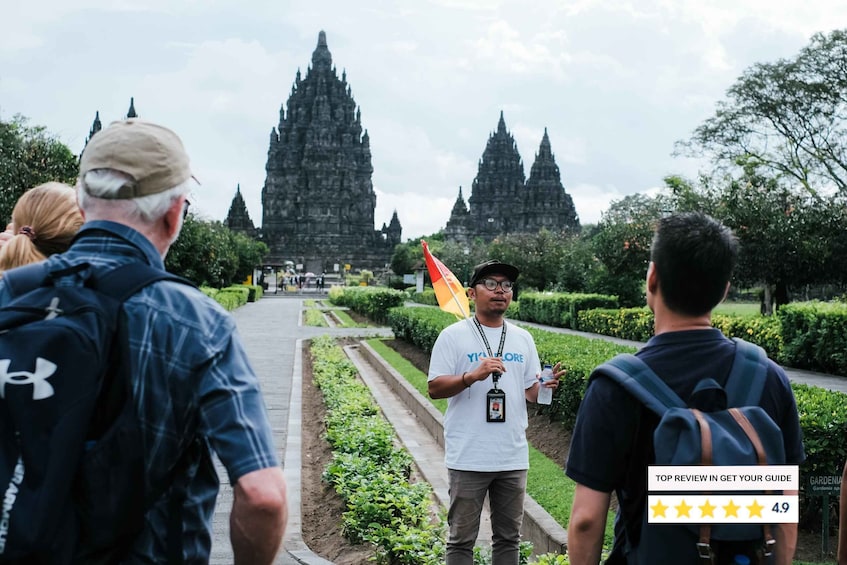
Yogyakarta: Borobudur Climb-Up & Prambanan jaettu opastettu kierros
16 €
per aikuinen
100 % matkailijoista suosittelee

Eksoottinen Prambananin temppeli ja Ramayana baletti Join Tour -retki
49 €
per henkilö