
Tegalrejo: Parhaat nähtävyydet ja aktiviteetit
Aktiviteetit, nähtävyydet ja kierrokset

Aktiviteetit

 Tutustu aktiviteetteihinTutustu tuhansiin kokemuksiin aktiviteeteista ja nähtävyyksistä päiväretkiin ja kuljetuksiin.
 Varaa helpostiJätä jono väliin – varaa liput suosituimpiin nähtävyyksiin verkossa muutamassa minuutissa. Monissa aktiviteeteissa on ilmainen peruutusmahdollisuus.
 Hemmottele itseäsiJäsenet säästävät vähintään % aktiviteettien varauksista.
Suositut aktiviteetit
Kiertoajelut ja päiväretket
Näytä kaikki 279 aktiviteettia
Taattu Borobudur-vuorikiipeily ja Prambananin all-inclusive-retki
Aktiviteetin kesto on 4 tuntia
yli 4 h
10.0 kautta 10, 48 arvostelua
10/10
48 GetYourGuide-arvostelua
Ilmainen peruutusoikeus saatavilla
sisältää verot ja maksut
per aikuinen*
*Saat alemman hinnan valitsemalla enemmän kuin 2 aikuista
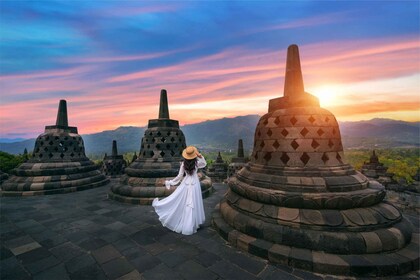
Yogyakartasta: Puolen päivän retki Borobuduriin auringonnousun aikaan, nout...
Aktiviteetin kesto on 5 tuntia
yli 5 h
9.4 kautta 10, 90 arvostelua
9,4/10
90 GetYourGuide-arvostelua
Ilmainen peruutusoikeus saatavilla
sisältää verot ja maksut
per aikuinen*
*Saat alemman hinnan valitsemalla enemmän kuin 2 aikuista

Yogyakarta: Merapi-vuoren laavakatseluretki yöllä ja luolavaihtoehdot
Aktiviteetin kesto on 6 tuntia
yli 6 h
10.0 kautta 10, 14 arvostelua
10/10
14 GetYourGuide-arvostelua
Ilmainen peruutusoikeus saatavilla
sisältää verot ja maksut
per aikuinen*
*Saat alemman hinnan valitsemalla enemmän kuin 2 aikuista

Yogyakarta: Seikkailuretki Jomblangin ja Pindulin luoliin
Aktiviteetin kesto on 10 tuntia
10 h
9.8 kautta 10, 269 arvostelua
9,8/10
269 GetYourGuide-arvostelua
Ilmainen peruutusoikeus saatavilla
sisältää verot ja maksut
per aikuinen*
*Saat alemman hinnan valitsemalla enemmän kuin 2 aikuista

Borobudurin koko kiipeily ja Prambananin yksityis- tai ryhmäkierros
Aktiviteetin kesto on 5 tuntia
yli 5 h
10.0 kautta 10, 21 arvostelua
10/10
21 GetYourGuide-arvostelua
Ilmainen peruutusoikeus saatavilla
sisältää verot ja maksut
per aikuinen*
*Saat alemman hinnan valitsemalla enemmän kuin 2 aikuista
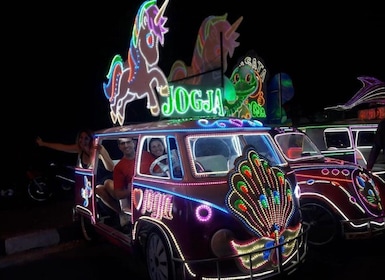
Yogyakarta: Yökävely ja ruokakierros
Aktiviteetin kesto on 2 tuntia
yli 2 h
10.0 kautta 10, 169 arvostelua
10/10
169 GetYourGuide-arvostelua
Ilmainen peruutusoikeus saatavilla
sisältää verot ja maksut
per aikuinen

Yogyakarta: Taattu aamunkoiton katselu Borobudurissa ja vierailu Prambanani...
Aktiviteetin kesto on 6 tuntia
yli 6 h
9.8 kautta 10, 498 arvostelua
9,8/10
498 GetYourGuide-arvostelua
Ilmainen peruutusoikeus saatavilla
sisältää verot ja maksut
per aikuinen

Yogyakarta: Nglamborin snorklaus- ja kalliokiipeilyretki
Aktiviteetin kesto on 12 tuntia
12 h
Ilmainen peruutusoikeus saatavilla
sisältää verot ja maksut
per aikuinen*
*Saat alemman hinnan valitsemalla enemmän kuin 2 aikuista

2 päivän retki Yogyakartaan ja Borobudurin temppeliin Balilta käsin
Aktiviteetin kesto on 2 päivää
2 pv
sisältää verot ja maksut
per henkilö*
*Saat alemman hinnan valitsemalla enemmän kuin 2 aikuista
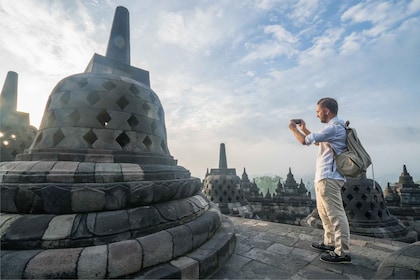
Yogyakarta: Borobudur Sunrise (Climb-up Assured) & Prambanan
Aktiviteetin kesto on 5 tuntia
yli 5 h
10.0 kautta 10, 49 arvostelua
10/10
49 GetYourGuide-arvostelua
Ilmainen peruutusoikeus saatavilla
sisältää verot ja maksut
per aikuinen*
*Saat alemman hinnan valitsemalla enemmän kuin 2 aikuista
Yksityiset ja tilauskiertoajelut
Näytä kaikki 75 aktiviteettia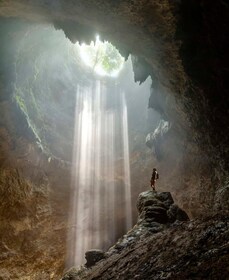
Yogyakarta: Jomblang & Pindul Cave Tour: Mt.
Aktiviteetin kesto on 12 tuntia
yli 12 h
10.0 kautta 10, 48 arvostelua
10/10
48 GetYourGuide-arvostelua
Ilmainen peruutusoikeus saatavilla
sisältää verot ja maksut
per aikuinen
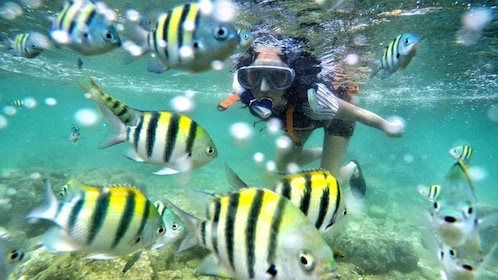
Yogyakarta Nglambor Beach Snorklauskierros
Aktiviteetin kesto on 6 tuntia
yli 6 h
sisältää verot ja maksut
per henkilö*
*Saat alemman hinnan valitsemalla enemmän kuin 2 aikuista
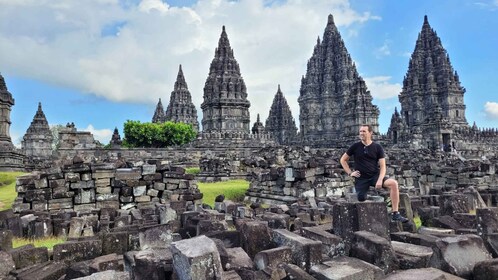
Yogyakarta: 4 päivän yksityinen, räätälöity opastettu kiertomatka hotellima...
Aktiviteetin kesto on 4 päivää
4 pv
Ilmainen peruutusoikeus saatavilla
sisältää verot ja maksut
per aikuinen

Yogyakarta: Retki Diengin ylängölle (Jaavan luonnonkauneus)
Aktiviteetin kesto on 12 tuntia
12 h
10.0 kautta 10, 1 arvostelu
10/10
1 GetYourGuide-arvostelu
Ilmainen peruutusoikeus saatavilla
sisältää verot ja maksut
per aikuinen*
*Saat alemman hinnan valitsemalla enemmän kuin 2 aikuista
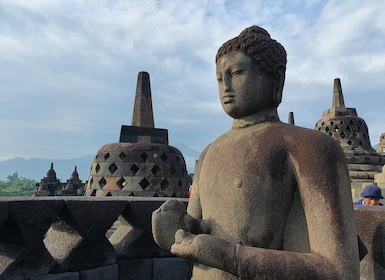
Borobudurin aito puolen päivän retki – ei piilokustannuksia
Aktiviteetin kesto on 7 tuntia
7 h
Ilmainen peruutusoikeus saatavilla
sisältää verot ja maksut
per aikuinen*
*Saat alemman hinnan valitsemalla enemmän kuin 2 aikuista

Krebetin kylän kulttuurikokemus
Aktiviteetin kesto on 3 tuntia
3 h
Ilmainen peruutusoikeus saatavilla
sisältää verot ja maksut
per aikuinen*
*Saat alemman hinnan valitsemalla enemmän kuin 2 aikuista

Semarang: 4 päivän matka Borobuduriin, Prambananiin, Bromoon ja Ijeniin sek...
Aktiviteetin kesto on 4 päivää
4 pv
Ilmainen peruutusoikeus saatavilla
sisältää verot ja maksut
per aikuinen*
*Saat alemman hinnan valitsemalla enemmän kuin 2 aikuista

Yogyakarta – minne tahansa: Yksityinen räätälöity matka ✅
Aktiviteetin kesto on 8 tuntia
yli 8 h
10.0 kautta 10, 1 arvostelu
10/10
1 tarkistettu arvostelu
Ilmainen peruutusoikeus saatavilla
sisältää verot ja maksut
per aikuinen*
*Saat alemman hinnan valitsemalla enemmän kuin 2 aikuista

Semarangin satamasta: Yogyakartan yksityiskierros, jossa sisältyy lounas
Aktiviteetin kesto on 10 tuntia
10 h
Ilmainen peruutusoikeus saatavilla
sisältää verot ja maksut
per aikuinen*
*Saat alemman hinnan valitsemalla enemmän kuin 2 aikuista

Borobudur: Batik, gamelan, keramiikan valmistus ja kyläkierros
Aktiviteetin kesto on 6 tuntia
yli 6 h
10.0 kautta 10, 1 arvostelu
10/10
1 GetYourGuide-arvostelu
Ilmainen peruutusoikeus saatavilla
sisältää verot ja maksut
per aikuinen*
*Saat alemman hinnan valitsemalla enemmän kuin 2 aikuista
Kylpylät ja hyvinvointi
Näytä kaikki 29 aktiviteettiaYogyakarta Nglambor Beach Snorklauskierros
Aktiviteetin kesto on 6 tuntia
yli 6 h
sisältää verot ja maksut
per henkilö*
*Saat alemman hinnan valitsemalla enemmän kuin 2 aikuista

Yogyakarta: VIP-kierros Prambananiin, Borobuduriin ja Merapille
Aktiviteetin kesto on 9 tuntia
9 h
10.0 kautta 10, 1 arvostelu
10/10
1 GetYourGuide-arvostelu
Ilmainen peruutusoikeus saatavilla
sisältää verot ja maksut
per aikuinen*
*Saat alemman hinnan valitsemalla enemmän kuin 2 aikuista

Yogyakartasta: Sukuhin ja Cethon temppelit – Maya-pyramidien kaltaiset näht...
Aktiviteetin kesto on 11 tuntia
11 h
10.0 kautta 10, 1 arvostelu
10/10
1 GetYourGuide-arvostelu
Ilmainen peruutusoikeus saatavilla
sisältää verot ja maksut
per aikuinen*
*Saat alemman hinnan valitsemalla enemmän kuin 2 aikuista

"Borobudurin ja Prambananin 10 tunnin kiertue"
Aktiviteetin kesto on 10 tuntia
10 h
Ilmainen peruutusoikeus saatavilla
sisältää verot ja maksut
per aikuinen

Yogyakartasta: Bromo-vuoren auringonnousu- ja Ijen-retki, paluu Balille
Aktiviteetin kesto on 2 päivää
yli 2 pv
Ilmainen peruutusoikeus saatavilla
sisältää verot ja maksut
per aikuinen

Yogyakarta: Borobudurin kiipeily ja Selogriyon riisipellon vaellus
Aktiviteetin kesto on 10 tuntia
10 h
Ilmainen peruutusoikeus saatavilla
sisältää verot ja maksut
per aikuinen*
*Saat alemman hinnan valitsemalla enemmän kuin 2 aikuista

Yogyakarta; Kedung Kayangin vesiputous ja Selogriyon temppeli
Aktiviteetin kesto on 10 tuntia
10 h
Ilmainen peruutusoikeus saatavilla
sisältää verot ja maksut
per aikuinen

Yogyakarta: Auringonnousu Merapi-vuorella + Jomblangin luola + Pindulin luo...
Aktiviteetin kesto on 12 tuntia
12 h
Ilmainen peruutusoikeus saatavilla
sisältää verot ja maksut
per aikuinen

Mahtava Merapi: Koe laavavirtojen kauneus
Aktiviteetin kesto on 7 tuntia
yli 7 h
Ilmainen peruutusoikeus saatavilla
sisältää verot ja maksut
per aikuinen*
*Saat alemman hinnan valitsemalla enemmän kuin 2 aikuista

Yogyakarta: Borobudur-, Prambanan- ja Candi Ijo -kierros
Aktiviteetin kesto on 12 tuntia
12 h
Ilmainen peruutusoikeus saatavilla
sisältää verot ja maksut
per aikuinen*
*Saat alemman hinnan valitsemalla enemmän kuin 2 aikuista
Tunnit ja kurssit
Näytä kaikki 17 aktiviteettia
Yogyakarta: Retki jaavalaisiin kyliin ja riisinviljelyyn
Aktiviteetin kesto on 3 tuntia
yli 3 h
10.0 kautta 10, 1 arvostelu
10/10
1 GetYourGuide-arvostelu
Ilmainen peruutusoikeus saatavilla
sisältää verot ja maksut
per aikuinen*
*Saat alemman hinnan valitsemalla enemmän kuin 2 aikuista

Yogyakarta: 2 tunnin batik-kurssi, johon sisältyy matkamuisto
Aktiviteetin kesto on 1 tunti
yli 1 h
10.0 kautta 10, 32 arvostelua
10/10
32 GetYourGuide-arvostelua
Ilmainen peruutusoikeus saatavilla
sisältää verot ja maksut
per aikuinen
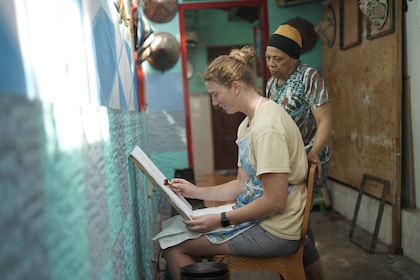
Yogyakarta: Batik-maalaustyöpaja
Aktiviteetin kesto on 5 tuntia
5 h
10.0 kautta 10, 14 arvostelua
10/10
14 GetYourGuide-arvostelua
Ilmainen peruutusoikeus saatavilla
sisältää verot ja maksut
per aikuinen

Kotagede: Hopeanvalmistuskokemus paikallisen hopeaseppän johdolla
Aktiviteetin kesto on 3 tuntia
3 h
10.0 kautta 10, 3 arvostelua
10/10
3 GetYourGuide-arvostelua
Ilmainen peruutusoikeus saatavilla
sisältää verot ja maksut
per aikuinen*
*Saat alemman hinnan valitsemalla enemmän kuin 2 aikuista

Yogyakarta: Kuninkaallinen palatsi, batik-kurssi, kulttuuriperintökohteiden...
Aktiviteetin kesto on 8 tuntia
8 h
Ilmainen peruutusoikeus saatavilla
sisältää verot ja maksut
per aikuinen*
*Saat alemman hinnan valitsemalla enemmän kuin 2 aikuista

Yogyakarta: Jaavalainen ruoanlaitto- ja jamu-yrttikurssi, johon sisältyy no...
Aktiviteetin kesto on 3 tuntia
yli 3 h
Ilmainen peruutusoikeus saatavilla
sisältää verot ja maksut
per aikuinen*
*Saat alemman hinnan valitsemalla enemmän kuin 2 aikuista

Yogyakarta: Batikin valmistuskurssi asiantuntijan johdolla
Aktiviteetin kesto on 3 tuntia ja 30 minuuttia
3 h 30 min
10.0 kautta 10, 1 arvostelu
10/10
1 GetYourGuide-arvostelu
Ilmainen peruutusoikeus saatavilla
sisältää verot ja maksut
per aikuinen*
*Saat alemman hinnan valitsemalla enemmän kuin 2 aikuista

Yogyakarta: Ruoanlaittokurssi, johon sisältyy käynti torilla ja nouto hotel...
Aktiviteetin kesto on 3 tuntia
yli 3 h
10.0 kautta 10, 2 arvostelua
10/10
2 GetYourGuide-arvostelua
Ilmainen peruutusoikeus saatavilla
sisältää verot ja maksut
per aikuinen

Yksityinen Borobudurin ja Prambananin temppelikierros hotellilta noudolla
Aktiviteetin kesto on 10 tuntia
yli 10 h
Ilmainen peruutusoikeus saatavilla
sisältää verot ja maksut
per aikuinen*
*Saat alemman hinnan valitsemalla enemmän kuin 2 aikuista

Borobudurin auringonlaskuretki, johon sisältyy aamiainen Tamansarissa ja ba...
Aktiviteetin kesto on 12 tuntia
12 h
Ilmainen peruutusoikeus saatavilla
sisältää verot ja maksut
per aikuinen*
*Saat alemman hinnan valitsemalla enemmän kuin 2 aikuista
Vesiaktiviteetit
Näytä kaikki 14 aktiviteettiaYogyakarta: Nglamborin snorklaus- ja kalliokiipeilyretki
Aktiviteetin kesto on 12 tuntia
12 h
Ilmainen peruutusoikeus saatavilla
sisältää verot ja maksut
per aikuinen*
*Saat alemman hinnan valitsemalla enemmän kuin 2 aikuista
Yogyakarta Nglambor Beach Snorklauskierros
Aktiviteetin kesto on 6 tuntia
yli 6 h
sisältää verot ja maksut
per henkilö*
*Saat alemman hinnan valitsemalla enemmän kuin 2 aikuista
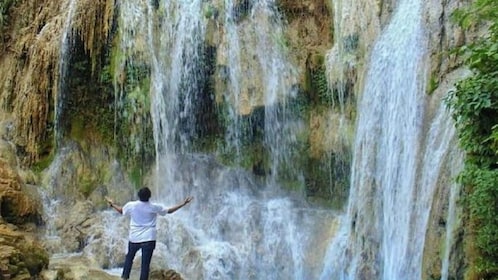
Kulon Progo vesiputous Yogyakarta opaspalvelun kanssa
Aktiviteetin kesto on 6 tuntia
6 h
sisältää verot ja maksut
per henkilö
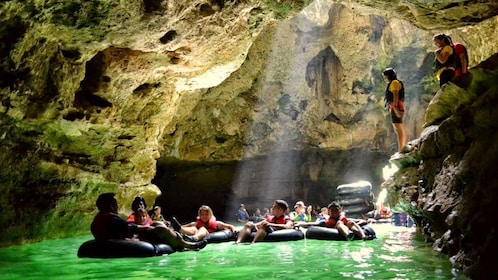
Yogyakarta River Cave Tubing at Pindul Cave - Join Tour
Aktiviteetin kesto on 6 tuntia
6 h
sisältää verot ja maksut
per henkilö

Yogyakarta: Goa Pindul, Nglamborin ranta ja hiekkadyynikierros
Aktiviteetin kesto on 10 tuntia
10 h
Ilmainen peruutusoikeus saatavilla
sisältää verot ja maksut
per aikuinen*
*Saat alemman hinnan valitsemalla enemmän kuin 2 aikuista

Yogyakarta: Häämatka vuokratulla luksusautolla
Aktiviteetin kesto on 8 tuntia
8 h
Ilmainen peruutusoikeus saatavilla
sisältää verot ja maksut
per aikuinen*
*Saat alemman hinnan valitsemalla enemmän kuin 2 aikuista